TOPIC OF THE BLOG:-
This blog is a part of a task given by Megha Trivedi Ma'am from The English Department, MKBU, Bhavnagar. For more information about other writers, Poets, Poems and related topics visit this Blog site of Megha Trivedi Ma'am (Click here). In this blog I am going to discuss the work 'The Home and The World' by Rabindranath Tagore.

RABINDRANATH TAGORE:-

Here is a video available on YouTube to understand this topic more deeply.
GROUP PRESENTATION ON 'THE HOME AND THE WORLD':-
This Group Presentation on 'The Home and The World' written by Rabindranath Tagore was prepared and presented in the classroom as an introductory Presentation by Avni Jani, Bhavyata Kukadiya and Me (Pooja Bhuva). We already said everything we can cover in this Presentation so I will just give you the main idea about what is this and what are some of the important aspects we need to keep our focus on.
👉LIFE
Rabindranath Tagore (Gurudev) was a prominent Indian poet, philosopher, musician, and writer (May 7, 1861 -August 7, 1941).
He belonged to a distinguished Bengali Brahmin family and was the youngest of thirteen children. From an early age, he showed a keen interest in literature, music, and the arts. In 1883, he married Mrinalini Devi, and together they had five children. His family provided crucial support and inspired many themes in his literary works, making them an integral part of his creative journey.
Tagore was the first non-European to be awarded the Nobel Prize in Literature in 1913 for his book of poems, "Gitanjali.”
He was a multifaceted personality and made significant contributions to various fields. Besides his literary works, Tagore was a leading figure of the Bengal Renaissance, which was a cultural, social, and intellectual movement in Bengal during the late 19th and early 20th centuries.
He belonged to a distinguished Bengali Brahmin family and was the youngest of thirteen children. From an early age, he showed a keen interest in literature, music, and the arts. In 1883, he married Mrinalini Devi, and together they had five children. His family provided crucial support and inspired many themes in his literary works, making them an integral part of his creative journey.
Tagore was the first non-European to be awarded the Nobel Prize in Literature in 1913 for his book of poems, "Gitanjali.”
He was a multifaceted personality and made significant contributions to various fields. Besides his literary works, Tagore was a leading figure of the Bengal Renaissance, which was a cultural, social, and intellectual movement in Bengal during the late 19th and early 20th centuries.
👉WORKS AND WRITING STYLE:-
- Gitanjali
- The Home and the World
- The Postmaster
- Chitrangada
- Raktakarabi
- Sadhana
- Shesher Kobita
- Gora
- Chokher Bali
- Kabuliwala
He was not only a prolific poet but also a versatile writer who excelled in various literary forms, including short stories, novels, plays, and essays. Tagore's writing often reflects his deep connection to nature and his profound understanding of human emotions, making his works universally relatable and timeless.
👉ESSENCE OF THE NOVEL:-
"Home and the World," by Rabindranath Tagore, is set in early 20th-century India during the country's struggle for independence. The novel revolves around the lives of three main characters: Nikhilesh, a progressive landlord; his wife, Bimala, torn between tradition and modernity; and Sandip, a charismatic nationalist leader. Bimala's admiration for Sandip leads to emotional conflicts and betrayals, as she becomes torn between her loyalty to her husband and her newfound nationalist fervor. The novel delves into themes of nationalism, love, identity, and the impact of political changes on personal relationships, making it a profound exploration of human nature during turbulent times.
👉CHARACTERS:-
Nikhilesh:-

He is a progressive zamindar (landlord) who believes in Western ideas and education. Nikhilesh is a rational and idealistic man who wants to modernize his estate and help his people. He represents the more intellectual and inclusive approach to societal change.
Bimala:-
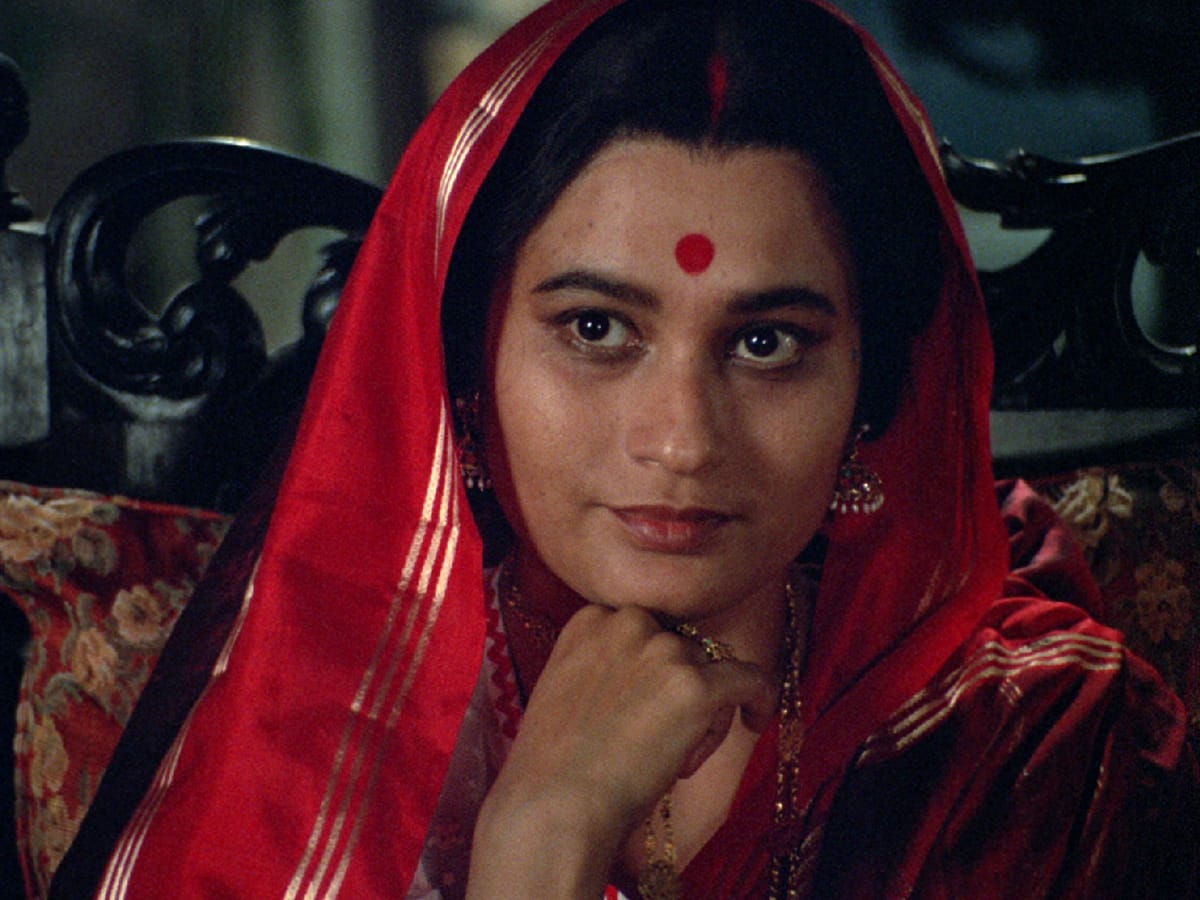
She is Nikhilesh's wife and a central character in the novel. Bimala starts as a traditional and sheltered woman, living in the seclusion of her husband's household. However, her encounter with the charismatic nationalist leader Sandip awakens her desire for change and independence, leading to an internal conflict between tradition and modernity.
Sandip:-

A charismatic and influential nationalist leader who visits Nikhilesh and Bimala's home. Sandip is passionate about India's independence movement and possesses persuasive speaking skills that attract many followers. He represents the more emotional and radical approach to nationalism.
These three are the main characters of this Novel but apart from them there are also some minor characters like Narendra, Amulya, Jogmaya, Tarapada, Mini, etc.
👉THEMES:-
- NATIONALISM VS. COSMOPOLITANISM: The novel explores the conflict between nationalism, represented by Sandip's passionate advocacy for the Indian independence movement, and cosmopolitanism, embodied by Nikhilesh's more inclusive and intellectually-driven approach to societal change. The clash between these ideologies reflects the broader tension in India during its struggle for independence.
- TRADITIONALISM VS. MODERNITY: The characters of Bimala and Nikhilesh represent the clash between traditional values and modern ideas. Bimala is initially confined to the traditional roles of a wife and homemaker, while Nikhilesh seeks to empower her through education and exposure to the outside world. Their opposing views reflect the broader transformation occurring in India during that time.
- PERSONAL RELATIONSHIPS VS. NATIONALISTIC FERVOR: Bimala's internal conflict mirrors the struggle between her personal relationships and her growing nationalist fervor. Her emotional journey highlights the challenges faced by individuals torn between their loyalty to loved ones and their commitment to a larger cause.
- LOYALTY AND BETRAYAL: The multi dynamic of loyalty and betrayal is central to the plot. Bimala's conflicting emotions lead to betrayals of trust, both towards her husband and her newfound nationalist cause. This theme highlights the complexities of human relationships and the consequences of choices made in turbulent times.
- MANIPULATION AND CHARISMA: Sandip's character embodies the dynamics of manipulation and charisma. He captivates Bimala with his passionate speeches and persuasive charm, leading her to question her loyalties and make decisions that have far-reaching consequences. This multi dynamic explores the influence that charismatic leaders can have on individuals and society.
- GENDER ROLES AND EMPOWERMENT: The novel touches on the multidynamics of gender roles and empowerment in early 20th-century India. Bimala's transformation from a traditional, sheltered woman to an emotionally awakened and politically conscious individual reflects the challenges women faced in seeking their identity and agency during that era.
- EAST VS. WEST: Nikhilesh's Western education and worldview contrast with the more rooted Indian identity of Bimala and the nationalistic fervor of Sandip. This multi dynamic delves into the complexities of adopting Western ideas while preserving one's cultural heritage.
- IDEALISM VS. REALISM: Nikhilesh's idealistic approach to societal change and peaceful coexistence clashes with Sandip's more radical and emotionally charged methods. The novel explores the complexities of pursuing ideals while navigating the realities of a changing society.
👉 CHARACTERISTICS:-
- EXPLORATION OF FEMALE IDENTITY: Bimala's character plays a significant role in the novel as she undergoes a transformation from a traditional, sheltered woman to someone seeking independence and self-discovery. The novel examines the constraints faced by women in a patriarchal society and their struggle for agency and self-expression.
- MULTIPLE PERSPECTIVES: The story is narrated from the perspectives of three main characters: Bimala, Nikhil, and Sandip. Each character represents different ideologies and perspectives on nationalism, tradition, and progress. This multi-perspective approach enriches the narrative and allows readers to understand the complexities of the characters' motivations and beliefs.
- SETTING: The novel is set in the early 20th century in Bengal, India, during a period of significant social and political upheaval. It provides a glimpse into the socio-political climate of the time and the struggles faced by Indians under British colonial rule.
- NATIONALISM AND SWADESHI MOVEMENT: The novel delves into the Indian nationalist movement, particularly the Swadeshi movement, which encouraged Indians to promote their own goods and boycott British products as a form of protest against colonial rule. The characters' differing views on nationalism drive much of the plot's conflict.
- LOVE AND RELATIONSHIPS: The novel delves into the complexities of human emotions, particularly love and relationships. The love triangle between Bimala, Nikhil, and Sandip forms a crucial aspect of the plot and highlights the conflicts that arise due to differing ideologies and desires.
- SYMBOLISM: Tagore skillfully employs symbolism throughout the novel to convey deeper meanings. For instance, the home represents tradition, the world symbolizes modernity and nationalism, and the Zamindar's estate serves as a microcosm of the broader social and political landscape.
- PHILOSOPHICAL REFLECTIONS: Tagore, a philosopher and poet, infuses the novel with profound philosophical reflections on nationalism, truth, and the human condition. The characters engage in introspection and contemplation, contributing to the novel's intellectual depth.
👉ARTICLE ON THE NOVEL:-
"I WILL MAKE BIMALA ONE WITH MY COUNTRY": GENDER AND NATIONALISM IN TAGORE'S "THE HOME AND THE WORLD"
In the article named "I WILL MAKE BIMALA ONE WITH MY COUNTRY": GENDER AND NATIONALISM IN TAGORE'S "THE HOME AND THE WORLD" by Indrani Mitra she argued about recent studies which examines the construction of the “new” women in nationalist writing as the signal of the cultural and political domination of a national elte to.
Further she says, The novel explores social anxieties surrounding the emergence of the "new" Indian woman in the early 1900s, emphasizing the significant role of sexuality in mediating opposing political actions.
In a series of essays written shortly after this novel, Tagore would aggressively criticize the goals and outcome of nationalist politics. (Click here to read full article)
👉MOVIE 'GHARE BAIRE:-
Here is a article on this Movie:-
In the article named “HOME AND THE WORLD: REFLECTIONS ON SATYAJIT RAY” by Steve Vineberg he tell us about some points of the movie made by Satyajit Ray ‘Ghare Baire’ based on Tagore’s novel ‘The Home and The World’.
This article started with the introduction of ‘Apu Trilogy’ - Pather Panchali, Aparajito and The World of Apu by Satyajit Ray and his style of filming the movie.
Ray’s complex, ambivalent vision takes in all the implications of ‘The Home and The World’; he refuses to validate one to the exclusion of the other. Each seems to bring sadness and fulfillment; each is both a construction and a ticket to freedom. (Click here to read full article)
🍁Here is an another article named "Tagore’s Home and the World" by Rosinka Chaudhuri which can be helpful to you (Click here to read it).
Words:- 1757
NOTE:- If you have any suggestion or want to say something please comment below or contact me on my social media.
